You’ve started noticing cracked panels, fading color, or peeling paint on your home’s exterior. Maybe drafts are sneaking in, or your energy bills keep climbing. Replacing your siding isn’t just about curb appeal—it protects your home from the elements and affects its value. But the biggest question is always the price.
This guide breaks down the cost to replace vinyl siding on a 1500 sq ft house in 2026, covering materials, labor, hidden fees, and every factor that influences the final bill. We’ll compare different siding options, explain what to look for in a contractor, and help you budget accurately. Whether you plan to sell soon or stay for decades, you’ll walk away with a clear, data-backed cost picture.
Let’s strip away the guesswork and get straight to the numbers.
Table of Contents
- Average Cost to Replace Vinyl Siding on a 1500 sq ft House
- Comparison of Siding Options for a 1500 sq ft Home
- Best Vinyl Siding Options for Your 1,500 sq ft Home
- 1. Builder‑Grade (Standard) Vinyl Siding – Best Budget Choice
- 2. Mid‑Grade Vinyl Siding (0.044″ thickness) – Best Value
- Factors That Affect the Cost to Replace Vinyl Siding
- Labor Rates by Region
- Removal and Disposal of Old Siding
- Insulation Upgrades
- Trim, Soffits, and Fascia
- Complexity of Home Design
- Hidden Costs and How to Avoid Surprises
- Tips for Choosing a Contractor
- Frequently Asked Questions
- How much does it cost to replace vinyl siding on a 1500 sq ft house in 2026?
- Can I install vinyl siding myself to save money?
- Does vinyl siding increase home value?
- How long does vinyl siding last on a 1500 sq ft house?
- What is the best thickness for vinyl siding?
- Should I replace siding before or after windows?
- How do I clean vinyl siding without damaging it?
- Does vinyl siding need to be painted?
- Conclusion: Best Overall, Value, and Premium Picks
Average Cost to Replace Vinyl Siding on a 1500 sq ft House
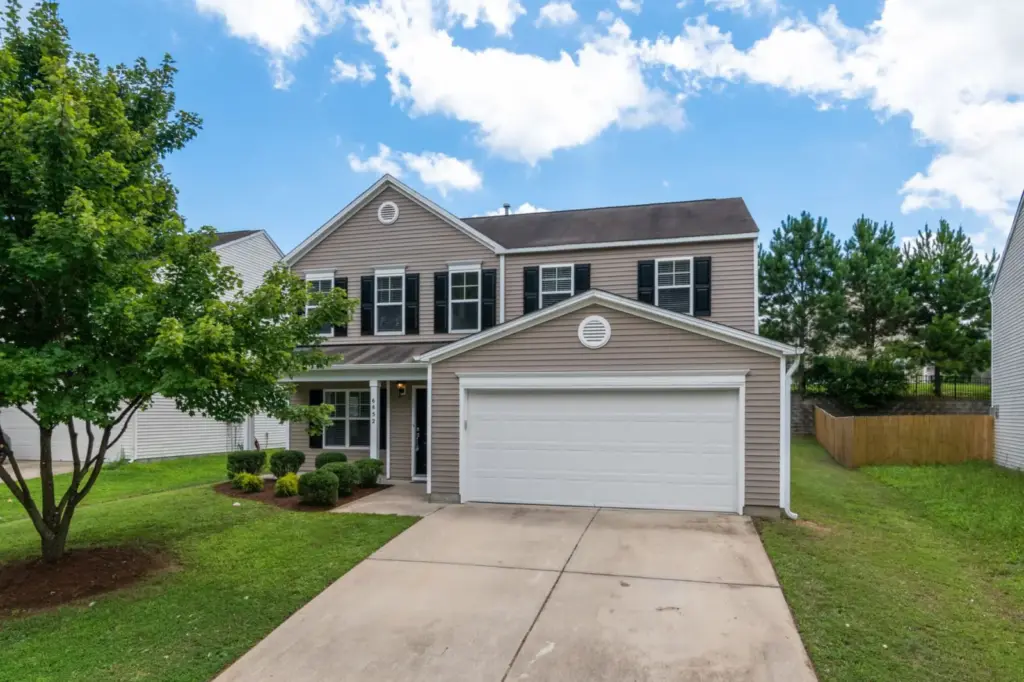
For a typical 1,500‑square‑foot home, the national average to replace vinyl siding (including removal of old siding, materials, and labor) ranges between $8,000 and $15,000. On the lower end, you might pay around $5.50 per square foot for basic builder‑grade vinyl. Premium insulated or thicker vinyl can push costs to $10‑$12 per square foot. Labor typically accounts for $2‑$4 per square foot, depending on your region and the complexity of your home’s architecture.
Below is a quick breakdown of the main cost components:
| Cost Component | Estimated Cost (1,500 sq ft) | Notes |
|---|---|---|
| Vinyl siding material | $3,000 – $7,500 | Depends on thickness, insulation, and brand. |
| Labor (installation) | $3,000 – $6,000 | Varies by location, complexity, and contractor. |
| Removal of old siding | $1,000 – $2,500 | Higher if asbestos is present (requires special handling). |
| Trim, soffits, fascia | $800 – $2,000 | Often replaced at the same time. |
| Insulation (added behind siding) | $500 – $1,500 | Optional but improves energy efficiency. |
| Permits and disposal fees | $200 – $600 | Check local regulations. |
| Total (typical range) | $8,000 – $15,000 | May exceed $18,000 for premium materials. |
If your project also involves electrical work—like moving outdoor outlets or installing new exterior lighting for the new siding—you may need an electrician. Read also: Average Cost to Install a Subpanel in Garage: 2026 Guide for related cost insight on adding new circuits.
Comparison of Siding Options for a 1500 sq ft Home
Although this article focuses on vinyl, it’s helpful to see how other materials stack up. The table below compares the most common siding choices for a 1,500 sq ft house, including their average installed cost, durability, and maintenance needs.
| Material | Average Cost Installed (1,500 sq ft) | Durability (Years) | Maintenance | Appearance | Best For |
|---|---|---|---|---|---|
| Vinyl (standard) | $8,000 – $12,000 | 20–40 | Low (occasional washing) | Wide color/style variety | Budget‑conscious homeowners |
| Vinyl (insulated/premium) | $12,000 – $18,000 | 30–50 | Low | Thicker, more rigid panels | Energy efficiency + curb appeal |
| Fiber cement (e.g., HardiePlank) | $14,000 – $22,000 | 40–50 | Moderate (paint every 10‑15 yrs) | Wood‑like, modern, or traditional | Fire‑prone areas, long‑term value |
| Engineered wood (LP SmartSide) | $12,000 – $18,000 | 25–35 | Moderate (stain/paint periodically) | Natural wood look | Homeowners wanting wood without the cost |
| Aluminum | $9,000 – $14,000 | 20–30 | Low (dents easily) | Clean, metallic finish | Coastal or high‑moisture areas |
| Steel | $15,000 – $22,000 | 40–60 | Very low (rust‑resistant coated) | Modern, slim profiles | Extreme weather regions |
Best Vinyl Siding Options for Your 1,500 sq ft Home
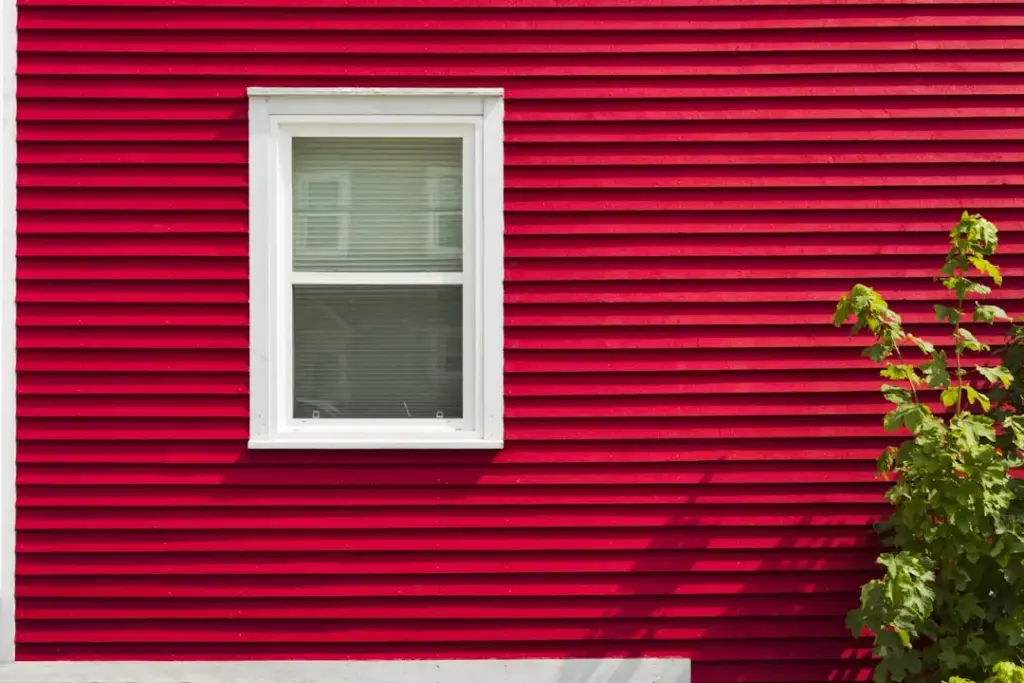
Not all vinyl siding is the same. Below we’ve ranked the top options, from budget‑friendly builder grade to premium insulated panels. Each includes pricing, pros and cons, and real‑world feedback.
1. Builder‑Grade (Standard) Vinyl Siding – Best Budget Choice
Overview: This is the most common vinyl siding used in new construction. Panels are typically 0.040 inches thick and have a simple profile. It’s affordable and widely available.
Features: Thinner panels, limited color options, one‑piece corners, no built‑in insulation.
Pricing: $3,000 – $4,500 for materials on a 1,500 sq ft house. Installed total: $7,000 – $10,000.
Advantages:
– Lowest upfront cost
– Easy to paint (with proper primer) if you want a color change later
– Simple installation, so labor costs are lower
Disadvantages:
– Less impact‑resistant; can crack in hail or extreme cold
– May warp or buckle in direct high heat without proper installation
– Limited insulation value (typically no foam backing)
Best For: Rental properties, starter homes, or tight budgets where siding will be replaced again in 15–20 years.
User Experience: Homeowners appreciate the low initial cost but often comment that this grade chips or fades within 8–12 years, especially on south‑facing walls.
Expert Opinion: Builder‑grade vinyl is fine if you plan to sell within 5–10 years. However, investing slightly more into mid‑grade siding adds significant durability and resale value.
2. Mid‑Grade Vinyl Siding (0.044″ thickness) – Best Value
Overview: A step up in thickness and panel rigidity. This is the most popular option for homeowners replacing siding on a 1,500 sq ft house because it balances cost and longevity.
Features: Thicker panels (0.044”), wider color selection, available with a wood‑grain texture or smooth finish, often includes a foam backer or nail hem reinforcement.
Pricing: Materials: $4,500 – $6,000. Installed total: $9,000 – $13,000.
Advantages:
– Better resistance to dents and wind gusts (up to 110 mph)
– More color options, many fade‑resistant for up to 20 years
– Holds paint well if you decide to refresh
Disadvantages:
– Still not as durable as fiber cement or steel
– Can expand/contract in extreme temperatures without proper clearances
Best For: Most homeowners wanting a long‑lasting vinyl option without the premium price tag.
User Experience: Positive reviews highlight the improved look and feel. Many report less visible warping compared to builder grade, and colors stay vibrant longer.
Expert Opinion: This grade hits the sweet spot for the cost to replace vinyl siding on a 1500 sq ft house. You get a 25‑year product life at a price that often pays for itself when you sell.
Overview: Thick panels (0.046″ or more) fused to rigid foam insulation. This siding reduces thermal bridging and acts as an additional R‑value layer (typically R‑2 to R‑4).
Features: Integrated insulation, deeper profiles, heavy‑gauge panels, UV‑resistant paint, lifetime fade warranties.
Pricing: Materials: $6,500 – $9,000. Installed total: $12,000 – $18,000.
Advantages:
– Reduces energy bills by 5–15% (varies by climate)
– Dampens outside noise noticeably
– Much stronger; withstands impacts and high winds better
– No insulation gaps during installation
Disadvantages:
– Higher upfront cost—almost double standard vinyl
– Heavier, so installation may take slightly longer
– Not all contractors are trained to install insulated systems properly
Best For: Homes in cold climates, noisy areas, or homeowners planning to stay 15+ years and want lower utility costs.
User Experience: Customers often note a quieter home and less draftiness. Energy savings can offset the premium within 7‑10 years depending on local energy prices.
Expert Opinion: If your budget allows, insulated vinyl is one of the best investments for overall comfort. It doesn’t add as much value as fiber cement, but it outperforms every other vinyl category.
Overview: Vinyl siding molded to mimic real cedar shingles or wood clapboard. Uses advanced embossing technology to create realistic grain and shadow lines.
Features: Double‑4 or double‑5 profile with cedar texture, available in natural stain‑like colors.
Pricing: Materials: $5,500 – $8,000. Installed total: $10,000 – $15,000.
Advantages:
– Attractive wood look without the maintenance (no painting, staining, or rotting)
– Good durability equal to mid‑grade vinyl
– Can increase curb appeal significantly
Disadvantages:
– Textured surface can trap dirt; may need pressure washing more often
– Color matching between batches can be tricky—buy extra to be safe
Best For: Homeowners who love the look of wood but don’t want the upkeep.
User Experience: Most reviews are very positive regarding appearance—“guests often ask if it’s real wood.” However, some mention the texture collects pollen and dust in dry regions.
Expert Opinion: This is an excellent choice for traditional or craftsman‑style homes. The realistic texture adds value, but make sure the color is uniform across all sides before installation.
Overview: The “standard American” vinyl profile—two panels per course, giving a wide exposure like horizontal wood siding. Available in every grade, but often chosen for its timeless style.
Features: Simple clean lines, shadow lines that hide minor installation imperfections, high availability.
Pricing: Materials: $3,500 – $7,000 (depends on grade). Installed total: $8,000 – $14,000.
Advantages:
– Classic look acceptable for any architectural style
– Easy to repair individual panels if damaged
– Widest color selection across brands
Disadvantages:
– Can look generic if not paired with good trim and accents
– Less interesting than shingle or vertical profiles
Best For: Anyone who wants a safe, reliable, and cost‑effective siding that won’t go out of style.
User Experience: Consistent satisfaction—homeowners appreciate the ease of cleaning and the fact that repairs are straightforward. Few complaints about performance when installed correctly.
Expert Opinion: Double‑4 clapboard is the workhorse of vinyl siding. When you need to factor in the cost to replace vinyl siding on a 1500 sq ft house, choosing this profile with mid‑grade material gives you the best balance of price, longevity, and resale appeal.
Factors That Affect the Cost to Replace Vinyl Siding
Labor Rates by Region
Labor costs can swing from $2.50 per sq ft in the Midwest to $5.50 per sq ft in coastal areas. Always get three local quotes, not national averages.
Removal and Disposal of Old Siding
If your existing siding contains asbestos (common in homes built before 1980), removal costs can double due to hazardous material handling. Test before you sign a contract. Read also: How Much to Replace Old Knob and Tube Wiring: 2026 Cost Guide for insight on unexpected renovation expenses related to old homes.
Insulation Upgrades
Adding rigid foam insulation behind vinyl can add $0.50–$1.00 per sq ft but improves energy efficiency. In many states, energy‑efficiency rebates may offset part of the cost.
Trim, Soffits, and Fascia
These often need replacement at the same time because the old trim won’t match the new siding. Budget an extra $1,000–$2,500 for seamless aluminum or vinyl trim.
Complexity of Home Design
Gables, dormers, bay windows, and multiple stories increase the square footage of wall area and the labor time. A simple ranch house is cheaper per sq ft than a two‑story with many corners.
Hidden Costs and How to Avoid Surprises
- Permit fees: $50–$500 depending on local building department. Ask your contractor who pulls the permit.
- Mold or rot discovered beneath old siding: Can add $500–$3,000 for sheathing repairs. Add a contingency of 10–15% to your budget.
- Electrical updates: If outdoor outlets, lights, or service wires must be moved to accommodate new siding, you’ll need an electrician. Read also: Electrician Cost to Rewire a 3 Bedroom House: Full 2026 Guide for cost benchmarks on home electrical work.
- Seasonal pricing: Scheduling in late summer or fall may yield lower labor quotes; winter work can be more expensive due to cold weather handling.
Tips for Choosing a Contractor
- Look for at least three references from recent siding replacements.
- Verify general liability insurance and workers’ compensation.
- Ask about ventilation—proper channeling behind siding is crucial to avoid moisture buildup.
- Get a detailed written proposal that includes material brand, thickness, color, and a timeline.
- Never pay the full amount upfront; a deposit of 25–30% is standard.
Frequently Asked Questions
How much does it cost to replace vinyl siding on a 1500 sq ft house in 2026?
The average cost is between $8,000 and $15,000 installed. The final price depends on the vinyl grade, labor rates in your region, and whether you remove old siding yourself or hire help.
Can I install vinyl siding myself to save money?
DIY installation can cut labor costs by 40–50%, but mistakes are costly. You need proper tools, exact measurements, and knowledge of expansion gaps. Consider DIY only if you have experience with similar exterior projects.
Does vinyl siding increase home value?
Yes, but the return on investment is about 65–75% of the project cost. A new vinyl exterior with good curb appeal can make a home sell faster, especially if the old siding was damaged or dated.
How long does vinyl siding last on a 1500 sq ft house?
Standard vinyl lasts 20–30 years; premium insulated vinyl can last 30–50 years. Fading, cracking, or warping usually signal it’s time for replacement.
What is the best thickness for vinyl siding?
0.044″ (mid‑grade) is generally the best balance of durability and cost. Thinner 0.040″ is acceptable for temporary applications; 0.046″+ is for premium performance.
Should I replace siding before or after windows?
Ideally, replace windows first so the siding can be trimmed tightly against the new frames. If that’s not possible, a good siding contractor can work around existing windows effectively.
How do I clean vinyl siding without damaging it?
Use a soft‑bristle brush with a mild detergent and water. Avoid power washing at high pressure—it can force water behind panels and cause mold growth.
Does vinyl siding need to be painted?
No, quality vinyl siding is pigmented throughout and resists fading. However, you can paint vinyl if you use 100% acrylic paint in a lighter shade than the original to avoid heat absorption.
Conclusion: Best Overall, Value, and Premium Picks
After analyzing the cost to replace vinyl siding on a 1500 sq ft house in 2026, here are our top recommendations:
- Best Overall: Mid‑Grade Vinyl (0.044″) in a double‑4 clapboard profile. Offers the best balance of price, longevity, and appearance for the typical homeowner.
- Best Value: Builder‑grade vinyl if you need to minimize upfront cost and plan to move within 10 years. It’s functional and cheap.
- Best Premium Option: Insulated vinyl siding. The energy savings, noise reduction, and wind resistance justify the higher investment for long‑term homeowners.
- Best Beginner Choice: Builder‑grade vinyl with professional installation. Simple to maintain, and you get a warranty without complexity.
- Best for Advanced Users (DIY): Mid‑grade or premium vinyl purchased from a local supplier and installed with meticulous attention to manufacturer specs.
Remember to get at least three bids, ask about hidden costs, and factor in potential electrical upgrades if you’re moving outlets or adding exterior lighting. With a clear budget and the right material choice, your siding replacement will protect your home for decades.
