If you’ve ever spent a day wrestling with loose siding panels or bent nails, you know the right tool can make or break your productivity. Finding the best vinyl siding nail gun for professional installers isn’t just about speed—it’s about avoiding callbacks, reducing fatigue, and protecting your bottom line. The market offers everything from budget-friendly pneumatic models to high-end coil nailers with depth-of-drive adjustment, and choosing wrong can cost you hours on the job. In this guide, we cut through the noise, compare the top contenders, and give you actionable advice based on real-world use and industry standards.
Whether you’re replacing siding on a 1,500-square-foot home or tackling a new construction project, the right nailer ensures consistent fastening, minimises damage to vinyl panels, and works with the tight tolerances modern siding demands. Let’s dive into what matters most.
What Makes a Vinyl Siding Nail Gun Different?
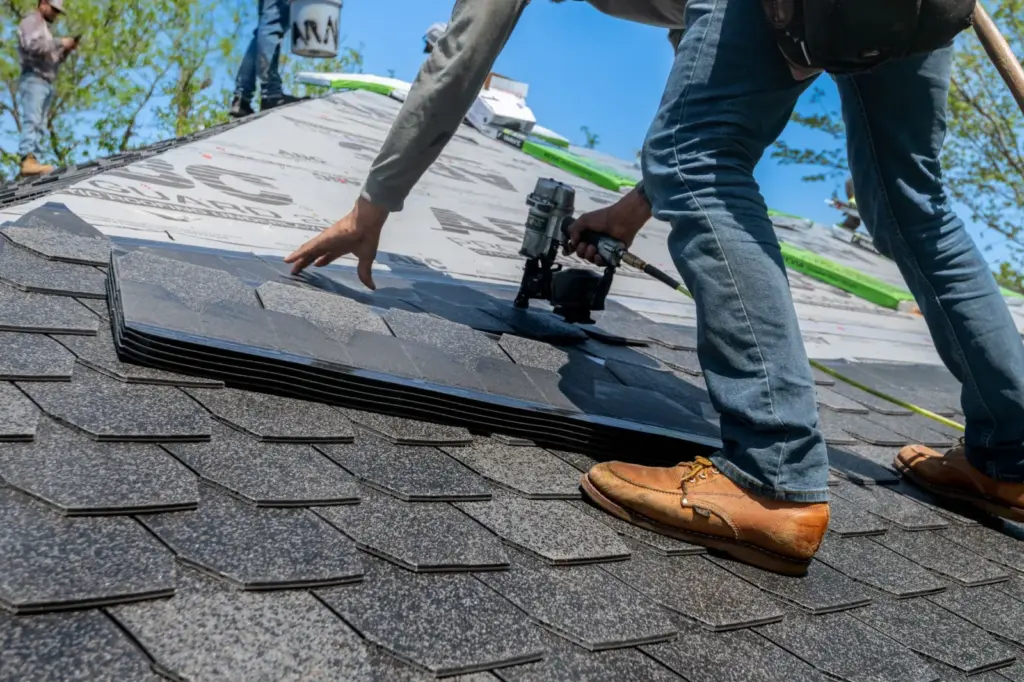
A standard framing nailer can easily split vinyl or push too deep, causing ugly dimples. Vinyl siding nail guns are designed with specific features: a depth-of-drive adjustment that lets you control how far the nail goes, a non-marring tip to protect the surface, and coil-fed magazines that hold hundreds of ring-shank nails without frequent reloading. Professional installers also need lightweight, balanced tools they can use all day without shoulder strain.
Table of Contents
- What Makes a Vinyl Siding Nail Gun Different?
- Key Features to Look For (Detailed Buying Guide)
- What to Look For
- Important Features
- Pricing Factors
- Hidden Costs
- Tips for Choosing Wisely
- Comparison Table: Best Vinyl Siding Nail Guns for Professional Installers
- Top 6 Best Vinyl Siding Nail Guns for Professional Installers
- 1. Senco SCN65 – Best Overall
- 2. Bostitch N66C-1 – Best Value
- 3. DeWalt DCN650B – Best Premium Choice
- 4. Paslode 502000 – Best Lightweight
- 5. Hitachi (Metabo HPT) NV65AH2 – Best Budget Choice
- 6. Max SN650+ – Most Reliable
- How to Choose the Right Nail Gun for Your Business
- Best Vinyl Siding Nail Gun for Professional Installers: Frequently Asked Questions
- 1. Can I use a roofing nailer for vinyl siding?
- 2. What PSI should I set my compressor for vinyl siding?
- 3. Are cordless siding nailers powerful enough for professional use?
- 4. How do I prevent bending nails when installing vinyl siding?
- 5. What size nail should I use for vinyl siding?
- 6. Can I use a framing nailer with a depth adjustment for siding?
- 7. How often should I lubricate a pneumatic siding nailer?
- Final Summary: Our Picks
Before you buy, consider your typical job size. A pneumatic model paired with a quiet compressor is fine for most residential work, while cordless options offer freedom on large sites without dragging an air hose. The best choice balances power, precision, and durability.
Read also: Cost to Replace Vinyl Siding on a 1500 sq ft House: 2026 Guide
Key Features to Look For (Detailed Buying Guide)
What to Look For
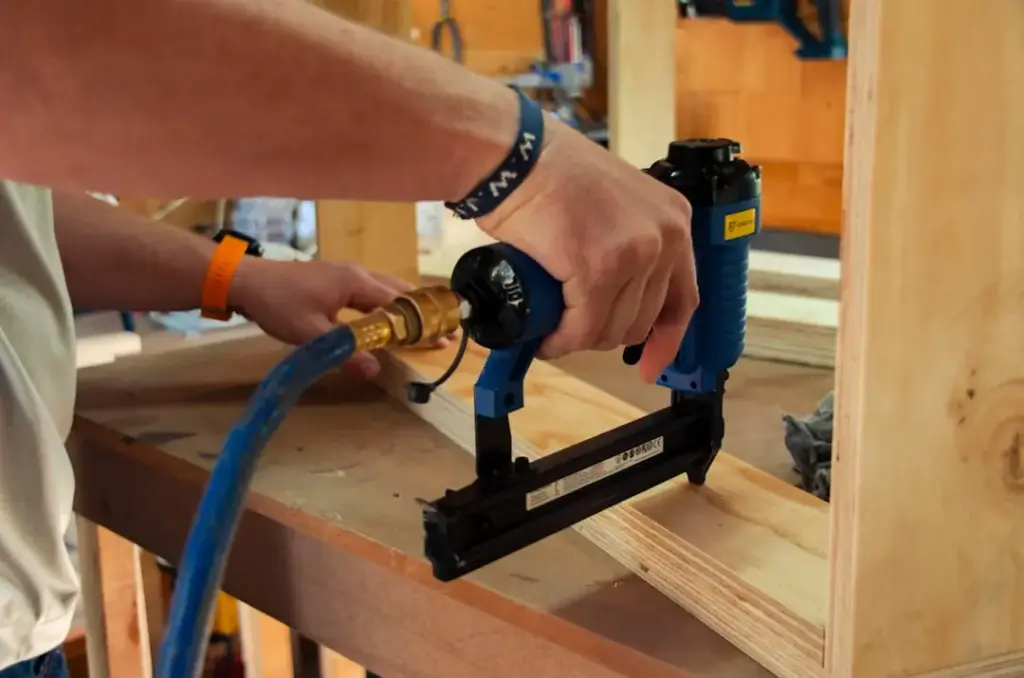
Start with the nail gauge. Most vinyl siding nailers use 15- or 16-gauge coil nails. The 15-gauge is slightly thicker, giving better holding power in wind-prone areas, but 16-gauge is adequate for standard installations. Check the magazine capacity: 120–150 nails per load is common; any less means more reloading downtime.
Important Features
- Depth-of-Drive Adjustment: Essential for setting the nail flush without crushing the vinyl. Look for a tool-free dial.
- Non-Marring Tip: Often made of rubber or plastic, prevents scuffing.
- Contact vs. Sequential Trigger: Professionals usually prefer sequential (bump-less) for precision, but a selectable trigger gives both options.
- Weight: Under 5 lbs is ideal for overhead work. Heavier tools cause fatigue.
- Jam Clearing Mechanism: Quick-release levers save minutes on every jam.
Pricing Factors
Expect to pay between $120 and $350 for a quality professional-grade nailer. Pneumatic models often cost less ($100–$200), while cordless battery-powered units run $250–$400. Hidden costs include nails, spare parts, and a compressor (if you go pneumatic). Budget for a good compressor (around $200–$400) if you don’t already own one.
Hidden Costs
Many don’t account for the type of nails. Vinyl siding nails cost roughly $30–$60 per 1,000. Some fasteners are proprietary, locking you into one brand. Also factor in replacement wear parts like O-rings and driver blades. Cordless nailers require extra batteries ($80–$150 each).
Tips for Choosing Wisely
- Test the grip and balance at a store or borrow from a friend.
- Check if the tool accepts common nail brands (e.g., Senco, Paslode).
- Read reviews from experienced siding installers, not DIYers.
- Consider the warranty. A 5-year limited warranty is standard; lifetime warranties are rare but valuable.
- Match the tool to your typical job size—don’t buy a heavy cordless rig if you only do small repairs.
Read also: Cost to Replace Aluminum Wiring with Copper: 2026 Full Guide
Comparison Table: Best Vinyl Siding Nail Guns for Professional Installers
| Product | Type | Nail Gauge | Magazine Capacity | Weight | Depth-of-Drive | Price Range | Best For |
|---|---|---|---|---|---|---|---|
| Senco SCN65 | Pneumatic | 15-ga | 120 | 4.2 lbs | Tool-free | $180–$220 | Best Overall |
| Bostitch N66C-1 | Pneumatic | 15-ga | 130 | 4.6 lbs | Adjustable | $130–$170 | Best Value |
| DeWalt DCN650B | Cordless | 15-ga | 100 | 5.2 lbs | Tool-free | $300–$350 | Best Premium |
| Paslode 502000 | Pneumatic | 16-ga | 150 | 3.9 lbs | Dial | $140–$180 | Best Lightweight |
| Hitachi (Metabo HPT) NV65AH2 | Pneumatic | 15-ga | 120 | 4.5 lbs | Tool-free | $120–$150 | Best Budget Choice |
| Max SN650+ | Pneumatic | 15-ga | 120 | 4.3 lbs | Stepless | $250–$300 | Most Reliable |
Top 6 Best Vinyl Siding Nail Guns for Professional Installers
1. Senco SCN65 – Best Overall
Overview: The Senco SCN65 is a pneumatic coil nailer widely regarded by siding pros for its reliability and consistent driving power. It handles 15-gauge nails from 1¼” to 2½”, covering most vinyl siding jobs.
Features: Tool-free depth-of-drive adjustment, non-marring rubber tip, removable magazine for easy clearing, and a comfortable rubber grip.
Pricing: $180–$220. Nails run about $40 per 1,000.
Advantages:
- Excellent balance – reduces wrist fatigue.
- Hardly ever jams; easy to fix when it does.
- Wide availability of parts and service.
Disadvantages:
- No built-in air filter – you need a clean compressor.
- Slightly heavier than the Paslode.
Best For: Full-time siding contractors who want a workhorse they can rely on for years.
User Experience: Most installers report minimal downtime, and the depth wheel stays put even after hundreds of shots. The rubber grip gets tacky in hot weather but still feels secure.
Expert Opinion: Senco has been making nailers for decades, and the SCN65 benefits from that engineering. It’s not the lightest, but its repeatability and low maintenance make it the top all-around choice for professionals.
2. Bostitch N66C-1 – Best Value
Overview: Bostitch’s N66C-1 is a pneumatic coil nailer that delivers professional performance at a mid-range price. It uses 15-gauge nails and has a 130-nail magazine.
Features: Adjustable depth-of-drive, no-mar tip, and a lightweight magnesium housing. The trigger is sequential, giving you precision.
Pricing: $130–$170. Nails are standard 15-gauge, widely available.
Advantages:
- Great price-to-performance ratio.
- Easy to service – many repair shops carry Bostitch parts.
- Magazine holds 130 nails, slightly more than most.
Disadvantages:
- Depth adjustment can slip under heavy use; needs periodic tightening.
- Relatively loud compared to Senco.
Best For: Small crews or contractors who need a second nailer without breaking the bank.
User Experience: Users appreciate the smooth operation right out of the box. A few mention that the nose piece can scratch softer vinyl if not maintained, but cleaning the tip regularly solves that.
Expert Opinion: The Bostitch N66C-1 is a solid mid-tier tool. It won’t win any beauty contests, but it delivers consistent results. For the price, you get a reliable nailer that handles daily use well.
3. DeWalt DCN650B – Best Premium Choice
Overview: DeWalt’s cordless 15-gauge coil nailer frees you from the compressor hose. It runs on DeWalt’s 20V MAX battery platform, making it ideal for large jobs or areas far from power.
Features: Tool-free depth adjustment, brushless motor, dry-fire lockout, and a belt hook. Magazine holds 100 nails.
Pricing: $300–$350 (bare tool, no battery). Battery and charger sold separately – add $100–$150.
Advantages:
- No compressor, no hose – true mobility.
- Brushless motor extends battery life and reduces heat.
- Depth setting stays consistent.
Disadvantages:
- Heavier than pneumatic equivalents (over 5 lbs).
- Slower firing cycle – not great for rapid production work.
Best For: Installers who work on multiple floors or remote sites where dragging a hose is impractical.
User Experience: Seasoned pros like the freedom but note the tool feels front-heavy. Battery life is adequate for a day’s work with two 5Ah packs. The absence of an air hose is a big plus when working on ladders.
Expert Opinion: Cordless nailers have come a long way, and DeWalt’s DCN650B is a leader. If your jobs involve many stops and starts, it saves setup time. However, if you install siding all day on a single house, a pneumatic still wins on speed.
4. Paslode 502000 – Best Lightweight
Overview: The Paslode 502000 is a pneumatic 16-gauge coil nailer that weighs only 3.9 lbs. It’s excellent for overhead work and for installers who value light weight.
Features: Dial depth adjustment, non-slip grip, and a 150-nail magazine – the largest capacity in this list. Uses 16-gauge nails.
Pricing: $140–$180. Nails are slightly cheaper than 15-gauge.
Advantages:
- Ultra-light – reduces arm fatigue.
- Large magazine – fewer reloads.
- Affordable price.
Disadvantages:
- 16-gauge nails have less holding power than 15-gauge; not ideal for high-wind areas.
- Plastic housing feels less durable than metal.
Best For: Installers doing mostly low-rise residential work where wind loads are moderate, and for those who prioritize light weight above all.
User Experience: Many users praise the comfort and speed. Some note the nose can scratch if not careful. The plastic housing has held up well in drop tests according to field reports.
Expert Opinion: Paslode makes reliable tools, and the 502000 is no exception. The trade-off between weight and nail gauge is worth considering. For light commercial work, 16-gauge is often sufficient, but we recommend 15-gauge for primary siding attachment.
5. Hitachi (Metabo HPT) NV65AH2 – Best Budget Choice
Overview: Now branded as Metabo HPT, this pneumatic nailer is a workhorse at a budget-friendly price. It drives 15-gauge nails from 1¼” to 2½”.
Features: Tool-free depth adjustment, non-mar tip, and a comfortable handle. Magazine holds 120 nails.
Pricing: $120–$150. Nails are standard.
Advantages:
- Lowest price among professional-grade 15-gauge nailers.
- Lightweight at 4.5 lbs.
- Easy to maintain – simple design.
Disadvantages:
- Metal magazine can scratch siding if not careful.
- Noise level is moderate – not the quietest.
Best For: Start-up contractors or those on a tight budget who still need a reliable tool.
User Experience: Most customers are satisfied for the price. A few report the depth dial moves when bumped, but it’s a minor annoyance. It cycles fast enough for most work.
Expert Opinion: Hitachi/Metabo HPT has strong brand reputation. The NV65AH2 is a fantastic entry point. It lacks some refinement (like rubber pad on magazine), but it gets the job done. If you can spend an extra $50, go for the Senco, but this is a solid budget pick.
6. Max SN650+ – Most Reliable
Overview: Max’s SN650+ is a pneumatic coil nailer built with a unique “controlled depth” system that prevents overdriving. It’s known for exceptional reliability and long lifespan.
Features: Stepless depth adjustment (no tools needed), rubber tip, dual-feed system to reduce jams, and a magnesium body.
Pricing: $250–$300. Premium price reflects its build quality.
Advantages:
- Virtually jam-free operation.
- Precise depth control.
- Corrosion-resistant internal parts.
Disadvantages:
- Heavier than Senco at 4.3 lbs (still light).
- Parts availability can be limited outside major cities.
Best For: Installers who demand maximum uptime and are willing to invest in a premium tool that will last a decade.
User Experience: Enthusiastic feedback from heavy users. The stepless depth is a game-changer for fine-tuning. The tool seldom requires service; O-rings are high-quality.
Expert Opinion: Max is a Japanese brand known for industrial-grade nailers. The SN650+ is overbuilt for vinyl siding, but that means it handles daily abuse without flinching. If budget allows, it’s the most reliable option.
How to Choose the Right Nail Gun for Your Business
Your choice depends on your typical job profile. If you mostly handle new construction on large sites, a pneumatic workhorse like the Senco or Bostitch is ideal. For remodeling and repairs where you move between rooms, a cordless DeWalt saves time.
Also think about the nail supply chain. Some nailers only accept brand-name collated nails, which can cost more. Check compatibility before buying a pallet of nails.
Read also: Electrician Cost to Rewire a 3 Bedroom House: 2026 Complete Guide
Don’t overlook the compressor. A quiet, oil-free compressor (like the California Air Tools 2010A) pairs well with these nailers. If you already have a pancake compressor, test airflow – most vinyl nailers need 2.0 cubic feet per minute at 70 psi.
Best Vinyl Siding Nail Gun for Professional Installers: Frequently Asked Questions
1. Can I use a roofing nailer for vinyl siding?
No. Roofing nailers drive flat-head nails that can split or distort vinyl. Siding nail guns use round-head or clipped-head nails designed to set flush without damaging the panel. Using the wrong nailer voids warranties and causes costly repairs.
2. What PSI should I set my compressor for vinyl siding?
Most vinyl siding nailers operate at 70–100 psi. Start at 80 psi and adjust the depth-of-drive dial until the nail sits flush with the siding without crushing it. Higher pressure increases velocity but risks overdriving that cracks the vinyl.
3. Are cordless siding nailers powerful enough for professional use?
Yes, modern cordless models like the DeWalt DCN650B have enough torque to drive nails fully into wood sheathing. However, their fire rate is slower than pneumatics, so they’re best for smaller jobs or when portability trumps speed. Batteries add weight.
4. How do I prevent bending nails when installing vinyl siding?
Ensure the nailer is perpendicular to the siding. Use a depth-of-drive adjustment so you don’t force the nail deeper. Also, check that nails are not damaged in the magazine. Ring-shank nails are less prone to bending than smooth shanks.
5. What size nail should I use for vinyl siding?
Standard vinyl siding requires 1½-inch to 2-inch nails. For thicker insulated siding, use 2-inch or longer. Always use ring-shank nails (not smooth) for better holding. A 15-gauge nail provides extra strength in windy regions.
6. Can I use a framing nailer with a depth adjustment for siding?
Technically you could, but it’s not recommended. Framing nailers are heavy, lack a non-marring tip, and their strips don’t fit coil magazines. They also often overdrive nails, causing indentations. A dedicated coil siding nailer is far more efficient.
7. How often should I lubricate a pneumatic siding nailer?
Add 2–3 drops of pneumatic tool oil into the air inlet before each use. If you use an oil-free compressor, you may need to oil daily. Regular lubrication extends the life of O-rings and seals. Always follow the manufacturer’s schedule.
Final Summary: Our Picks
Best Overall: Senco SCN65 – Balanced, reliable, and widely trusted. It handles daily heavy use with minimal issues, and its depth adjustment is precise. Perfect for full-time siding pros.
Best Value: Bostitch N66C-1 – Offers 90% of the Senco’s performance at a lower price. Ideal for small crews or as a backup tool.
Best Premium Choice: DeWalt DCN650B – Cordless freedom for high-mobility jobs. Excellent build quality and battery platform, though slower firing.
Best Beginner Choice: Hitachi (Metabo HPT) NV65AH2 – Affordable, easy to use, and reliable enough for newcomers. A great entry into professional-grade tools.
Best for Advanced Users: Max SN650+ – Unmatched reliability and stepless depth control. For installers who want to eliminate downtime completely, it’s the top-tier pick.
Choosing the best vinyl siding nail gun for professional installers ultimately comes down to your work style and budget. Test one if possible, and invest in quality nails and proper compressor setup. Your shoulders—and your clients—will thank you.
Read also: Cost to Install 50 Amp RV Outlet at Home: Complete 2026 Guide and How Much to Replace Old Knob and Tube Wiring: 2026 Cost Guide.
Referensi: Badan Pusat Statistik (BPS).
