Choosing the best vinyl siding color for a brick house can be a daunting task. You want a shade that complements your existing brick, boosts curb appeal, and fits your budget. With so many options available, it’s easy to feel stuck. This guide breaks down the top color choices, their pros and cons, and how to match them to your home’s style. Whether you’re planning a full renovation or a simple update, the right siding color can transform your house into a standout on the block. Let’s explore the most recommended hues and what to consider before making a decision.
How to Choose the Best Vinyl Siding Color for a Brick House
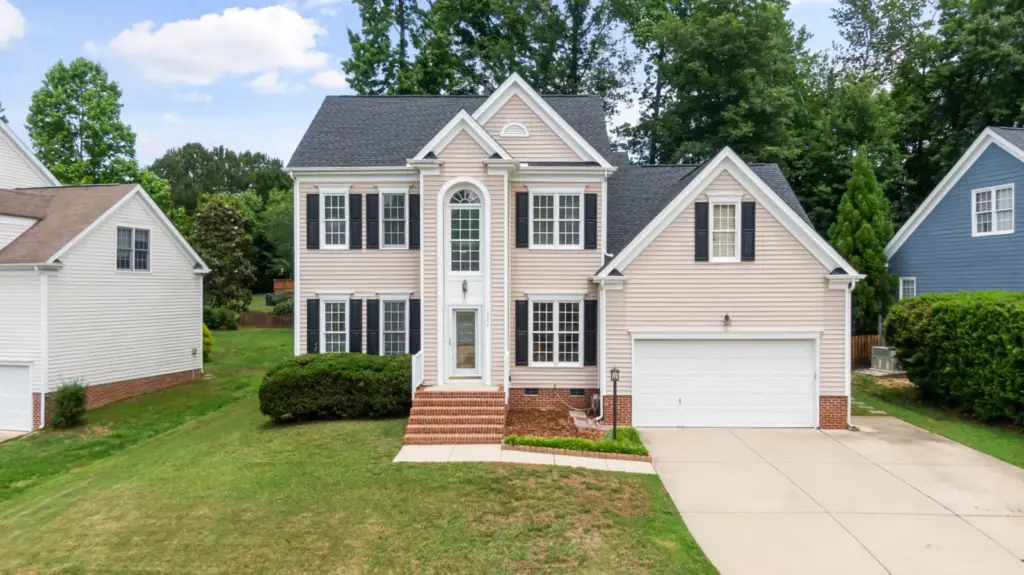
Before diving into specific colors, understand the key factors that influence your choice. Brick comes in a wide range of undertones – from warm reds and oranges to cool browns and grays. The siding color you pick should either harmonize with these tones or create a deliberate contrast. Climate also matters: lighter colors reflect heat, while darker shades absorb it and may cause vinyl to expand. Finally, consider your home’s architectural style. A modern farmhouse calls for different colors than a traditional colonial.
Semantic keywords like “vinyl siding color matching brick,” “complementary siding shades,” and “brick house exterior color schemes” naturally fit here. Always test a sample on your wall before committing, as lighting changes throughout the day. This step alone can save you from a costly mistake.
Table of Contents
- How to Choose the Best Vinyl Siding Color for a Brick House
- Understanding Brick Undertones
- Climate and Maintenance
- Top 5 Vinyl Siding Colors for Brick Houses
- 1. White – Classic and Timeless
- 2. Gray – Modern and Sophisticated
- 3. Beige/Tan – Warm and Inviting
- 4. Sage Green – Earthy and Distinctive
- 5. Charcoal/Black – Bold and Dramatic
- Comparison Table: Best Vinyl Siding Colors for Brick Houses
- Detailed Guide to Selecting Your Siding Color
- What to Look For
- Important Features in Vinyl Siding
- Pricing Factors
- Hidden Costs
- Tips for Choosing Wisely
- Frequently Asked Questions
- Final Recommendations
Understanding Brick Undertones
Look at your brick in natural daylight. Does it lean warm (red, orange, terracotta) or cool (brown, gray, beige)? Warm bricks pair well with earthy or creamy siding colors, while cool bricks work with gray, white, or black. If your brick is multicolored, pick a siding shade that matches the lightest or darkest tone for a cohesive look.
Climate and Maintenance
In hot regions, light-colored vinyl siding stays cooler and saves on cooling costs. Darker colors may fade faster and require more frequent cleaning to keep looking fresh. Colder climates can benefit from darker siding that absorbs sunlight and helps melt snow near the roofline. Consider your local weather patterns when narrowing down choices.
Top 5 Vinyl Siding Colors for Brick Houses
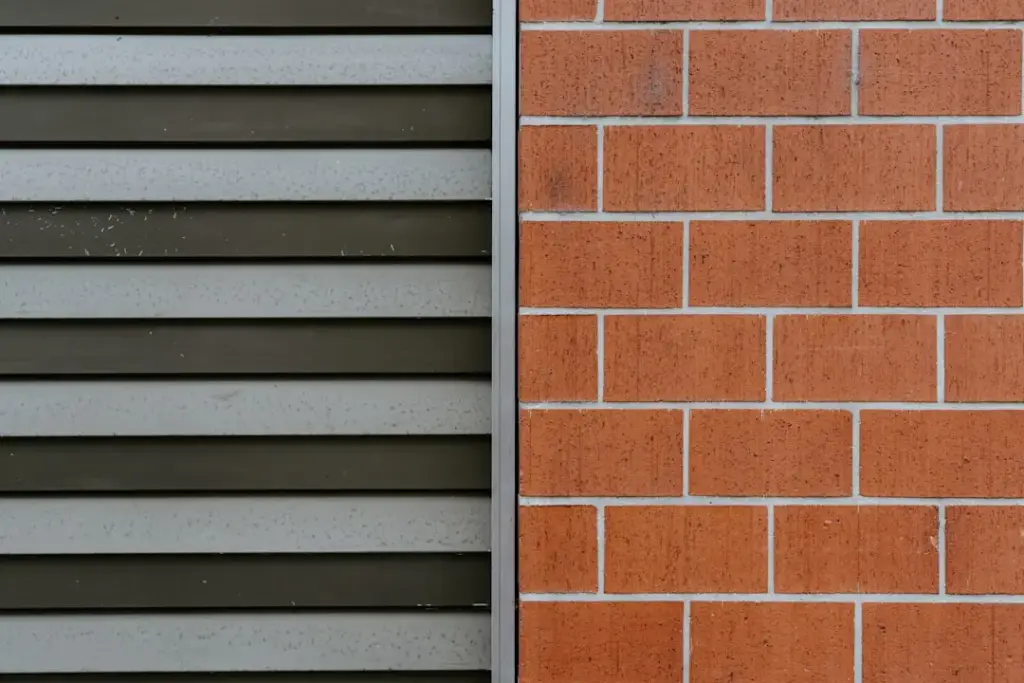
Based on expert feedback and homeowner satisfaction, these are the most popular and effective siding colors for brick homes. Each option is evaluated on curb appeal, heat management, maintenance, resale value, and ideal use case.
1. White – Classic and Timeless
Overview: White vinyl siding is a go-to choice for brick houses. It creates a clean, crisp contrast that makes the brick pop without overpowering it. White works with nearly every brick undertone, from red to brown to gray.
Features: High light reflectivity, resists fading, widely available, and easy to pair with trim colors like black or navy. White also makes a house look larger and more welcoming.
Pricing: Standard white vinyl siding costs $3–$7 per square foot installed. Color additives do not significantly affect the price, but premium brands with UV protection may cost a little more. Read also: Cost to Replace Vinyl Siding on a 1500 sq ft House: 2026 Guide for detailed installation costs.
Advantages:
- Universally flattering – matches any brick color.
- Reflects heat, keeping your home cooler in summer.
- Boosts resale value due to broad appeal.
- Easy to touch up or repaint if needed.
Disadvantages:
- Shows dirt and rain streaks more than darker colors.
- Can look sterile if not paired with colorful accents (shutters, doors).
- Requires occasional power washing to maintain brightness.
Best For: Homes with red or orange brick that need a neutral backdrop. Ideal for traditional, colonial, and ranch styles.
User Experience: Homeowners frequently praise white siding for its ability to modernize an older brick house without hiding the brick. Common feedback includes the need for regular cleaning but satisfaction with the renewed curb appeal.
Expert Opinion: White remains the safest and most versatile choice. Professionals recommend it for houses with irregular brick patterns because it provides a calm, unifying element. It’s also the best option if you plan to sell within five years.
2. Gray – Modern and Sophisticated
Overview: Gray vinyl siding offers a contemporary look that tones down bold brick colors. It works especially well with brown, gray, or beige brick, creating a monochromatic or soft contrast.
Features: Available in a range of shades from light silver to charcoal. Gray hides dirt better than white and pairs beautifully with black or white trim. It’s a top choice for farmhouse and modern minimalist exteriors.
Pricing: Gray siding costs the same as most standard vinyl colors – $3–$7 per square foot installed. Darker grays may require premium heat-resistant vinyl, adding $0.50–$1 per square foot.
Advantages:
- Camouflages dust, pollen, and small stains.
- Creates a sleek, updated appearance.
- Complements both warm and cool brick undertones when chosen carefully.
- Works well with natural stone accents.
Disadvantages:
- Can appear dull if the shade is too close to the brick color.
- Light gray may still show some moisture marks.
- Dark gray absorbs heat, which can cause warping in cheaper vinyl panels.
Best For: Homes with gray or brown brick, and houses aiming for a contemporary or transitional style.
User Experience: Many homeowners report that gray siding makes their red brick look more subdued and elegant. Negative feedback centers on heat retention – darker grays can feel hot to the touch in direct sun.
Expert Opinion: Gray is an excellent middle ground between white and dark hues. for best results, choose a gray that is noticeably lighter or darker than your brick to avoid a muddy look. Always opt for high-quality vinyl with heat-dissipating technology if going dark.
3. Beige/Tan – Warm and Inviting
Overview: Beige and tan siding colors create a warm, earthy palette that harmonizes with red, orange, and brown brick. This is a classic combination that feels natural and grounded.
Features: These shades blend seamlessly with brick, making the transition between siding and masonry look intentional. Beige complements brick with subtle red or orange undertones, while tan works well with brownish brick.
Pricing: Standard cost same as white/gray – $3–$7 per square foot installed. No significant price premium. Read also: How Much to Upgrade Electrical Service from 60 to 100 Amps? (2026 Cost Guide) if you’re considering electrical upgrades during your siding project.
Advantages:
- Makes brick look richer and more vibrant.
- Hides dust and imperfections moderately well.
- Creates a cohesive, unified exterior.
- Timeless appeal that rarely goes out of style.
Disadvantages:
- Can look too matchy-matchy if the shade is too close to the brick.
- May appear dull on overcast days.
- Limited contrast – not ideal if you want a dramatic look.
Best For: Traditional brick homes with warm-colored bricks, especially in suburban or rural settings.
User Experience: Homeowners appreciate how beige siding makes their brick feel integrated rather than patched on. Some note that the combination can look dated if not paired with modern trim and landscaping.
Expert Opinion: Beige is a safe and comfortable choice for those who want a harmonious exterior. It’s less trendy than gray or white, but it ages well. Pair with dark brown or black gutters and shutters for added depth.
4. Sage Green – Earthy and Distinctive
Overview: Sage green vinyl siding offers a unique, nature-inspired color that pairs beautifully with red, brown, or gray brick. It adds a pop of personality without being overwhelming.
Features: This muted green has gray undertones, making it versatile. Sage green looks especially good on houses with lush landscaping. It works for craftsman, cottage, and bungalow styles.
Pricing: Sage green may cost slightly more if it’s a specialty color from a premium line – expect $4–$8 per square foot installed. But standard sage shades are within the typical range.
Advantages:
- Distinctive and memorable – sets your home apart.
- Complements brick with red hues (the green-red contrast is dynamic).
- Blends well with natural surroundings.
- Hides dirt better than white or light beige.
Disadvantages:
- Narrower appeal – may not suit all architectural styles.
- Can clash with certain brick undertones (especially if the brick is very cool gray).
- Resale value risk – not as universally loved as white or gray.
Best For: Homes surrounded by trees, gardens, or countryside. Ideal for arts & crafts or mid-century modern houses.
User Experience: Homeowners who choose sage green are often delighted with the unique curb appeal. Some report that color matching for future repairs or additions can be tricky if the manufacturer discontinues the shade.
Expert Opinion: Sage green is a bold choice that works when done right. Test a large sample on your brick wall and view it in different lights. If you love a natural aesthetic, this color can add significant character.
5. Charcoal/Black – Bold and Dramatic
Overview: Dark charcoal or black vinyl siding creates a striking, modern contrast against light brick (especially beige, cream, or white-washed brick). It’s a high-impact choice for contemporary homes.
Features: These dark colors demand premium vinyl with heat-dissipating technology to prevent warping. They make a home look sleek and sophisticated, especially when paired with metal roofing or large windows.
Pricing: Dark colors often come with a premium of $1–$2 per square foot extra for heat-resistant vinyl. Installed cost can range from $4–$9 per square foot. This is the most expensive color family.
Advantages:
- Ultra-modern, high-contrast appearance.
- Hides dirt and stains exceptionally well.
- Can make a house appear more grounded and substantial.
- Works well with white or wood-toned trim.
Disadvantages:
- High heat absorption – can cause vinyl to expand and possibly warp if not premium quality.
- Faster fading in intense sunlight.
- May reduce resale appeal in conservative neighborhoods.
- Requires specialized installation techniques (deeper nailing, expansion gaps).
Best For: Modern or minimalist homes with light-colored brick. Also suitable for houses in cooler climates where heat absorption is beneficial.
User Experience: Owners of charcoal-finished homes love the dramatic effect. Those who experienced warping often underestimated the importance of premium vinyl and proper installation.
Expert Opinion: Charcoal and black are not for everyone, but they can be stunning. Only choose this route if you are willing to invest in high-quality materials and professional installation. Consider a lighter dark gray instead to reduce heat issues while still getting a bold look.
Comparison Table: Best Vinyl Siding Colors for Brick Houses
| Color | Curb Appeal | Heat Absorption | Maintenance | Resale Value | Best For |
|---|---|---|---|---|---|
| White | Excellent – classic and bright | Low – reflects heat | High – shows dirt easily | High – universal appeal | Traditional styles, any brick |
| Gray | Very good – modern and sleek | Moderate to high (darker shades) | Low – hides dirt well | High – popular trend | Contemporary, gray/brown brick |
| Beige/Tan | Good – warm and cohesive | Low – light color | Moderate – hides some dirt | Moderate – safe but not trendy | Warm brick, traditional homes |
| Sage Green | Great – unique and earthy | Moderate | Low – blends with nature | Moderate – niche appeal | Craftsman, bungalow, wooded lots |
| Charcoal/Black | Stunning – bold and dramatic | High – requires premium vinyl | Very low – hides everything | Moderate to low – polarizing | Modern, light brick, cool climates |
Detailed Guide to Selecting Your Siding Color
What to Look For
Start by identifying your brick’s dominant undertone. Hold up paint swatches or siding samples to see which colors complement rather than clash. Also consider your roof color, trim, and landscaping. A cohesive exterior plan includes all these elements. Use online visualization tools or tape samples on your wall for a few days to see how they look in morning, noon, and evening light.
Important Features in Vinyl Siding
Not all vinyl siding is created equal. Look for panels with at least 0.040-inch thickness for durability. Premium siding has a “wood grain” texture that adds depth. UV-stabilized colors resist fading – this is crucial for dark shades. Some brands offer “cool technology” that reflects infrared light, reducing heat absorption regardless of color. If you choose dark siding, this feature is almost mandatory.
Pricing Factors
Vinyl siding cost depends on material thickness, brand, and installation complexity. Basic colors (white, beige, light gray) are cheapest. Premium colors (sage green, dark charcoal) can add 10–20% to material cost. Installation labor is similar across colors. Read also: Cost to Replace Vinyl Siding on a 1500 sq ft House: 2026 Guide for a detailed breakdown of total project costs. Additionally, if your home needs electrical updates for new exterior lights or outlets, that can increase the overall budget. Read also: Electrician Cost to Add a 20 Amp Circuit: 2026 Pricing Guide to plan ahead.
Hidden Costs
- Removal and disposal of old siding.
- Repairing sheathing or insulation underneath.
- Adding trim pieces, soffits, and fascia.
- Specialized flashing around windows and doors.
- Replacing gutters or downspouts if they are damaged.
- If you upgrade electrical service for new exterior features, plan for those costs too. See How Much to Replace Old Knob and Tube Wiring: 2026 Cost Guide for older homes.
Tips for Choosing Wisely
- Always order a few extra panels for future repairs – color batches can vary.
- Ask your contractor about warranty length; premium colors often have 30-year fade warranties.
- Don’t rely solely on online images. Get physical samples and view them against your brick.
- Consider the long-term – trendy colors may look dated in a decade. White, beige, and gray have the longest staying power.
- For two-story homes, consider using a lighter color on the upper portion to avoid a top-heavy appearance.
Frequently Asked Questions
- What is the most popular vinyl siding color for brick houses?
White is the most popular because it works with all brick types and boosts curb appeal. It creates a classic contrast that never goes out of style.
- Can I install dark vinyl siding on a brick house in a hot climate?
Yes, but you need premium vinyl with heat-reflective technology to prevent warping. Dark colors absorb heat and can cause panels to expand or buckle if not designed for it.
- Should the siding color be lighter or darker than the brick?
Either can work, but a noticeable contrast usually looks best. If the brick is dark, choose light siding. If the brick is light, dark siding can be striking. Medium brick colors pair well with either light or dark, but avoid shades too similar to the brick.
- How do I match siding color to red brick?
Red brick has warm undertones. White, cream, beige, sage green, and dark charcoal all complement red brick. Avoid cool grays that can make the red look muddy.
- Is it cheaper to keep the same siding color when replacing vinyl?
Generally yes, because you avoid having to repaint or replace trim to match a new color. However, the material cost difference between colors is usually negligible unless you choose a premium dark shade.
- What color trim goes best with white siding and red brick?
Black or dark gray trim creates a sharp, modern look. Navy blue or dark brown also work well for a more traditional feel. White-on-white can look bland – add contrast with shutters.
- How often does vinyl siding need to be repainted?
Quality vinyl siding with factory color can last 20–30 years before fading. If you paint vinyl, expect to repaint every 5–10 years depending on sun exposure. Dark colors may fade sooner.
- Can I install vinyl siding over existing brick?
Yes, but it requires furring strips and proper moisture management. This adds cost and complexity. Consult a professional to ensure no moisture gets trapped behind the siding.
Final Recommendations
Best Overall: White. It’s the safest, most versatile choice that works with any brick and pleases most buyers. Excellent heat reflection and long-term value.
Best Value: Beige/Tan. It offers a warm, natural look without the higher cost of specialty colors. It hides dirt moderately well and ages gracefully.
Best Premium Option: Sage Green. While not necessarily expensive, it provides a unique aesthetic that stands out. Requires thoughtful pairing but rewards with character.
Best Beginner Choice: White. Easy to match, widely available, and forgiving of installation mistakes. It’s the color that almost everyone can agree on.
Best for Advanced Users: Charcoal/Black. This demanding choice requires high-quality materials and professional installation. Homeowners who understand thermal dynamics and are willing to invest get a spectacular result.
No matter which color you choose, remember that the best vinyl siding color for a brick house is one that makes you smile every time you pull into the driveway. Test your top candidates, consider your climate and style, and work with a reputable installer. With the right color, your brick house will look stunning for decades.
- [TITLE]: Best Vinyl Siding Color for a Brick House: 2026 Guide
- [TITLE_VARIANTS]: Top Vinyl Siding Colors for Brick Houses in 2026 || How to Match Vinyl Siding to Your Brick Home || 5 Best Siding Colors for Brick Exteriors || Vinyl Siding Color Guide for Brick Houses 2026 || What Color Vinyl Siding Goes Best with Brick? || Choosing the Right Siding Color for a Brick House || 2026 Siding Color Trends for Brick Homes
- [FOCUS_KEYPHRASE]: best vinyl siding color for a brick house
- [SEO_TITLE]: Best Vinyl Siding Color for a Brick House: 2026 Guide
- [SLUG]: best-vinyl-siding-color-for-brick-house
- [META_DESC]: Find the best vinyl siding color for a brick house. Compare white, gray, beige, sage green, and charcoal with pros, cons, and costs in this 2026 guide.
- [TAGS]: vinyl siding, brick house, exterior colors, curb appeal, home renovation
- [CATEGORY]: General
- [IMAGE_ALT]: White vinyl siding on a red brick house || Gray vinyl siding paired with brown brick home || Beige vinyl siding matching warm brick exterior || Sage green siding with red brick bungalow || Charcoal black vinyl siding on a modern brick house
- [INTERNAL_LINKS]: Cost to Replace Vinyl Siding on a 1500 sq ft House: 2026 Guide || Electrician Cost to Add a 20 Amp Circuit: 2026 Pricing Guide || How Much to Replace Old Knob and Tube Wiring: 2026 Cost Guide || Cost to Upgrade Electrical Panel to 200 Amps: Full Guide 2026 || Average Cost to Install a Subpanel in Garage: 2026 Guide
- [FAQ_SCHEMA]: What is the most popular vinyl siding color for brick houses? || Can I install dark vinyl siding on a brick house in a hot climate? || Should the siding color be lighter or darker than the brick? || How do I match siding color to red brick? || Is it cheaper to keep the same siding color when replacing vinyl? || What color trim goes best with white siding and red brick? || How often does vinyl siding need to be repainted? || Can I install vinyl siding over existing brick?
