Choosing the best vinyl siding color for a brick house can feel overwhelming. You want a combination that boosts curb appeal, complements the brick’s undertones, and lasts for years without looking dated. Many homeowners struggle with colors that clash or wash out the brickwork. This guide breaks down the top color options, factors to consider, and real-world advice so you can make a confident decision. Whether you’re updating a fixer-upper or building new, the right siding color transforms your home’s exterior.
Why Color Choice Matters for Brick Houses
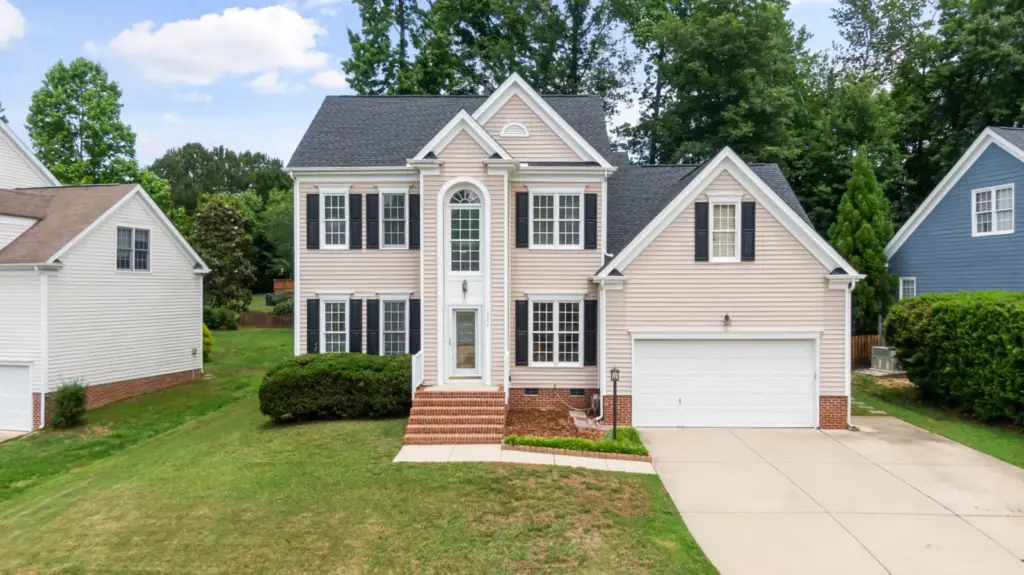
Brick has natural warmth and texture. The wrong siding color can make the brick look dull or create an unbalanced facade. With vinyl siding, you also need to think about how the color performs under sunlight, resists fading, and harmonizes with your roof and trim. The best vinyl siding color for a brick house enhances the brick’s character rather than competing with it.
Current market trends show a shift toward neutral and earthy tones that blend with brick’s reddish, brown, or gray undertones. Bold dark colors are also popular for modern farmhouse styles. But the decision isn’t just about looks—vinyl siding color can affect energy efficiency and maintenance. Lighter colors reflect heat, while darker colors absorb it and may show dust more. Understanding these nuances helps you pick a color you’ll love for decades.
Table of Contents
- Why Color Choice Matters for Brick Houses
- Top Vinyl Siding Colors for Brick Houses: A Comparison
- Detailed Reviews of the Best Colors
- 1. White Vinyl Siding
- 2. Cream / Off-White Vinyl Siding
- 3. Gray Vinyl Siding
- 4. Beige / Tan Vinyl Siding
- 5. Navy Blue Vinyl Siding
- 6. Black / Charcoal Vinyl Siding
- How to Choose the Right Vinyl Siding Color for Your Brick House
- What to Look For
- Important Features
- Pricing Factors
- Hidden Costs
- Tips for Choosing Wisely
- Frequently Asked Questions
- What is the most popular vinyl siding color for brick houses?
- Can I use two different siding colors on a brick house?
- Does vinyl siding color affect home temperature?
- How long does vinyl siding color last before fading?
- Should I match the siding color to my brick?
- What is the best vinyl siding color for a red brick house?
- Can I paint over vinyl siding to change the color later?
- Final Recommendations
Top Vinyl Siding Colors for Brick Houses: A Comparison
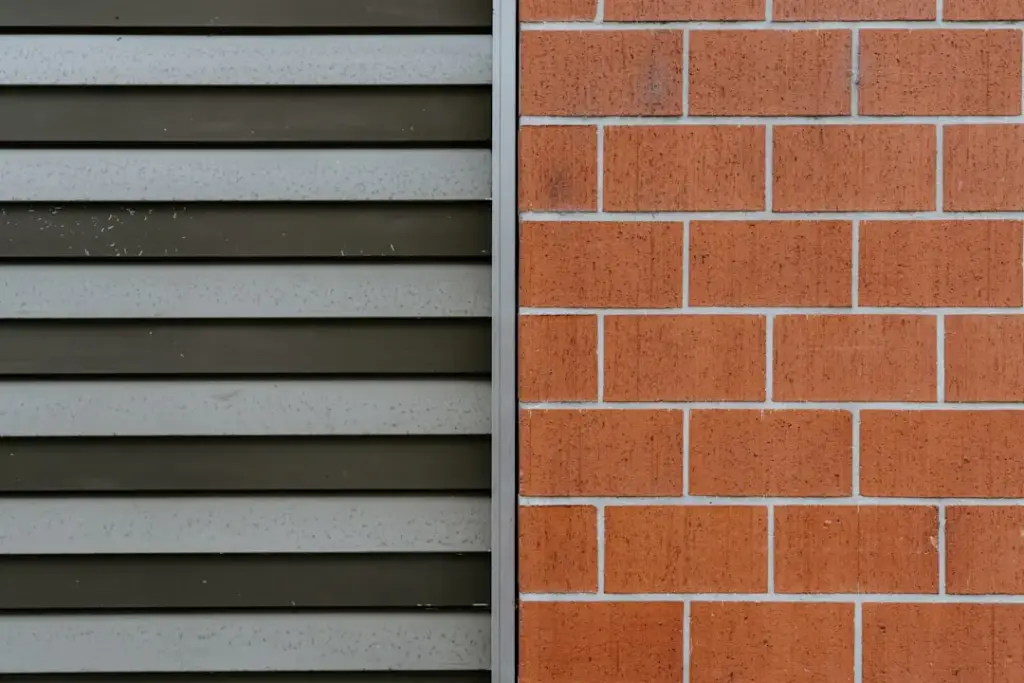
The following table compares six popular vinyl siding colors for brick homes. Use it as a quick reference before diving into detailed reviews of each option.
| Color | Brick Compatibility | Aesthetic Effect | Light Reflectivity | Resale Value Impact | Maintenance | Overall Appeal |
|---|---|---|---|---|---|---|
| White | Excellent with red, brown, gray brick | Clean, classic contrast | High | Strong | Low (shows dirt) | High |
| Cream / Off-White | Great with warm-toned red brick | Soft, welcoming | Moderate-High | Good | Low | High |
| Gray | Works with gray, beige, or red brick | Modern, sophisticated | Moderate | Very good | Low | Very High |
| Beige / Tan | Pairs well with brown, red, or cream brick | Earthy, harmonious | Moderate | Good | Low | Moderate-High |
| Navy Blue | Standout with red brick; caution with blue undertones | Bold, dramatic | Low | High (if done right) | Moderate (shows dust) | High |
| Black / Charcoal | Striking with light brick; heavy with dark brick | Contemporary, sleek | Very low | Moderate | High (shows fading) | Moderate |
Detailed Reviews of the Best Colors
1. White Vinyl Siding
White is the most popular vinyl siding color for brick houses. It creates a crisp, timeless contrast that works with nearly every brick tone. White reflects sunlight, keeping your home cooler in summer and reducing energy bills.
Features: High light reflectivity, resists fading well, available in multiple shades (bright white, antique white).
Pricing: White is a standard color, so it’s typically the most affordable option. Expect to pay $3–$7 per square foot installed, depending on your region.
Advantages:
- Universally appealing, boosts resale value.
- Makes a house look larger and cleaner.
- Complements any roof color.
Disadvantages:
- Shows dirt, pollen, and rain streaks easily.
- Can look too plain if not paired with colorful shutters or trim.
Best For: Homeowners who want a safe, classic look and plan to sell within a few years.
User Experience: Many homeowners report that white siding requires more frequent washing but still looks fresh for years. It’s the go-to choice for traditional neighborhoods.
Expert Opinion: White is a low-risk, high-reward choice. It enhances brick’s natural warmth without overpowering it. For best results, choose a slightly warm white (cream undertone) next to red brick, and a cool white next to gray brick.
2. Cream / Off-White Vinyl Siding
Cream offers a softer alternative to stark white. It pairs beautifully with warm-toned red or brown brick, creating a cozy, inviting exterior. The subtle yellow undertones blend with brick’s earthiness.
Features: Moderate light reflectivity, hides minor dirt better than white, often comes in “almond” or “ivory” shades.
Pricing: Similar to white—standard color, $3–$7 per square foot installed. Premium cream shades may cost slightly more.
Advantages:
- Warmer and more forgiving than pure white.
- Reduces glare and softens the overall look.
- Works well with natural stone accents.
Disadvantages:
- Can look yellowed if the shade is too warm.
- Less modern than gray or white.
Best For: Homes with red-orange brick and traditional architecture (Craftsman, Colonial).
User Experience: Users appreciate that cream siding doesn’t show every speck of dirt. It often feels warmer and more welcoming, especially in wooded settings.
Expert Opinion: Cream is an excellent choice if your brick has strong red or orange tones. It avoids the starkness of white while still lightening the facade. Make sure to test a large sample on your brick before committing.
3. Gray Vinyl Siding
Gray has become a top contender for the best vinyl siding color for a brick house, especially with modern and transitional homes. It pairs beautifully with both red brick (creating a complementary contrast) and gray brick (for a monochromatic look).
Features: Available in light, medium, and dark shades; resists fading; works with black or white trim.
Pricing: Gray is a standard color, typically $3–$7 per square foot. Darker grays may be offered as premium colors (add $0.50–$1.00 per square foot).
Advantages:
- Very trendy and modern.
- Hides dust and minor imperfections well.
- Neutral enough to change trim colors later.
Disadvantages:
- Can feel cold if the undertone is too blue.
- Light gray may wash out brick with similar tone.
Best For: Homeowners aiming for a contemporary or farmhouse aesthetic.
User Experience: Many homeowners report that medium gray with white trim is the most photographed exterior color on social media. It feels fresh without being trendy.
Expert Opinion: Gray offers the best balance of modern appeal and long-term value. For red brick, choose a warm gray (brown undertone) to avoid a cold look. For gray or beige brick, go with a cool gray for a seamless blend.
4. Beige / Tan Vinyl Siding
Beige and tan are classic neutrals that blend harmoniously with brown, red, or cream brick. They create a cohesive, understated look that never fights with the brick’s natural color.
Features: Moderate reflectivity, available in light sand and darker khaki tones, often has a slight green or yellow undertone.
Pricing: Standard color range, $3–$7 per square foot. No major cost difference.
Advantages:
- Earthy and natural, perfect for landscapes.
- Hides dirt and fading very well.
- Works with a wide variety of roof colors.
Disadvantages:
- Can appear dull or dated if the shade is too yellow.
- Less curb appeal than white or gray in some markets.
Best For: Homes with brown or beige brick, and those in rural or wooded settings.
User Experience: Users with brown brick often choose beige to keep the monochromatic look. It requires less frequent cleaning than white.
Expert Opinion: Beige is a safe, low-maintenance choice but may not boost resale value as much as high-contrast colors. If your brick is dark, a light tan can brighten the facade nicely.
5. Navy Blue Vinyl Siding
Navy is a bold choice that creates a striking focal point, especially when paired with red brick. The deep blue contrasts strongly, making the brick pop. It’s gaining popularity in modern and nautical-style homes.
Features: Low light reflectivity, may require thicker gauge siding to resist warping in heat, often premium color pricing.
Pricing: Premium color, $4–$9 per square foot. Navy can cost 15–30% more than standard colors.
Advantages:
- Unique and memorable eye-catching curb appeal.
- Hides dirt and dust moderately well.
- Great for offsetting warm brick tones.
Disadvantages:
- Fades faster in direct sun, especially cheaper vinyl.
- Absorbs heat, may increase cooling costs.
- Harder to match with trim and roof.
Best For: Confident homeowners who want a standout look and are willing to invest in quality siding.
User Experience: Owners often receive compliments, but some report fading after 5–7 years. Choosing premium vinyl with UV resistance is critical.
Expert Opinion: Navy works best with red brick and white trim. Avoid using it with dark-roof colors, as the facade becomes too dark. It’s not recommended for homes with southern or western exposure.
6. Black / Charcoal Vinyl Siding
Black and charcoal siding are the most dramatic options. They create a sleek, contemporary look, especially on light brick homes. When combined with large windows and minimalist landscaping, the effect can be stunning.
Features: Very low reflectivity, requires high-quality vinyl to prevent warping, often limited to premium product lines.
Pricing: Premium pricing, $5–$10 per square foot. Installation may also cost more due to careful handling.
Advantages:
- Bold and modern, stands out in any neighborhood.
- Hides dust well on the siding itself.
- Pairs beautifully with wood or metal accents.
Disadvantages:
- Extreme heat absorption—can damage siding over time.
- Makes a small home look smaller and darker.
- High maintenance for fading and scratches.
Best For: Modern architecture, large homes with light brick, and homeowners who prioritize aesthetic over practicality.
User Experience: Many who choose charcoal love the look but caution that it shows every bird dropping and water spot. Fading is a common complaint in sunny climates.
Expert Opinion: Black siding is risky for brick houses because of heat and fading issues. If you want a dark color, go with a high-quality vinyl with a “cool roof” pigment that reflects infrared light.
How to Choose the Right Vinyl Siding Color for Your Brick House
What to Look For
Start by identifying your brick’s undertones. Hold a white piece of paper next to the brick—does the brick look orange, red, brown, gray, or purple? Choose siding colors that harmonize: warm tones (cream, beige) for warm brick, and cool tones (gray, white) for gray-ish brick.
Next, consider your roof color. A dark roof works well with light siding, while a light roof pairs with medium to dark siding. Also look at permanent elements like stone or concrete steps—your siding should coordinate with them.
Important Features
Beyond color, choose vinyl siding with good fade resistance (look for 50-year fade warranties). Thicker panels (0.046-inch or thicker) resist denting and warping. Insulated vinyl siding adds energy efficiency, which is especially helpful if you choose a dark color.
Pricing Factors
Standard colors cost less than premium colors. However, the biggest cost driver is the siding quality and installation. Expect to pay $3–$10 per square foot for mid-grade vinyl. Premium colors like dark tones add $0.50–$2 per square foot. Read also: Cost to Replace Vinyl Siding on a 1500 sq ft House: 2026 Guide for a detailed breakdown.
Hidden Costs
Dark colors may require specialized cool-pigment vinyl to avoid fading, which costs more. Additionally, if you change your mind later, repainting vinyl is possible but not recommended—replacement is better. Finally, some HOAs impose color restrictions, so check your regulations before ordering.
Tips for Choosing Wisely
- Order large samples (at least 2×3 feet) and view them on your brick at different times of day.
- Use free tools like Sherwin-Williams Color Visualizer to preview combinations.
- Stick with two colors: one for siding, one for trim. A third accent color for doors adds pop without overwhelming.
- Look at your neighbors’ homes. Siding that contrasts too much with the street can hurt resale.
Frequently Asked Questions
What is the most popular vinyl siding color for brick houses?
White remains the most popular because it provides a clean, classic contrast with nearly any brick tone. It also reflects heat and boosts resale value. However, gray is quickly gaining ground for modern homes.
Can I use two different siding colors on a brick house?
Yes, many homes use a lighter color on the main body and a darker color as an accent on gables or dormers. This adds depth and visual interest. Just keep the two colors in the same tonal family for a cohesive look.
Does vinyl siding color affect home temperature?
Yes. Lighter colors reflect sunlight, keeping the home cooler in summer. Darker colors absorb heat, which can increase cooling costs and cause the siding to expand. Insulated vinyl helps mitigate this effect.
How long does vinyl siding color last before fading?
Standard PVC-based vinyl begins to show subtle fading after 10–15 years. Premium vinyl with capstock layers can resist fading for 20–30 years. Dark colors fade faster, especially in direct sun, while light colors fade more slowly.
Should I match the siding color to my brick?
Matching exactly is rarely successful, since vinyl and brick have different textures and sheens. Instead, choose a complementary color that harmonizes with the brick. A little contrast (light vs. dark) usually looks better than trying to match.
What is the best vinyl siding color for a red brick house?
White, cream, and light gray are top choices for red brick. White provides maximum contrast, cream warms up the look, and gray gives a modern edge. Avoid pink or purple tones that clash with red.
Can I paint over vinyl siding to change the color later?
Painting is possible but not recommended long-term. Vinyl expands and contracts more than wood, causing paint to crack and peel. It’s usually better to replace the siding if you want a different color.
Final Recommendations
Best Overall: Gray Vinyl Siding — It offers modern appeal, excellent brick compatibility, and good resale value. Medium gray with white trim is a winning combination for most homes.
Best Value: White Vinyl Siding — Affordable, timeless, and universally liked. It’s the budget-friendly choice that rarely disappoints.
Best Premium Option: Navy Blue Vinyl Siding — For homeowners willing to invest in high-quality UV-resistant vinyl, navy creates a stunning statement with red brick.
Best Beginner Choice: Cream Vinyl Siding — Easy to work with, forgiving on dirt, and pairs naturally with warm brick. It’s less stark than white but still safe.
Best for Advanced Users: Black/Charcoal Vinyl Siding — This bold choice requires careful planning, high-grade materials, and a modern architectural vision. It’s not for everyone but yields dramatic results when executed well.
Choosing the best vinyl siding color for a brick house comes down to personal taste, but these recommendations cover the top-performing colors for aesthetics, durability, and value. Before making a final decision, always test samples and consult a professional installer. For more insights on installation, read also: Best Vinyl Siding Nail Gun for Pro Installers (2026 Picks).
