Choosing the right siding for your home can feel overwhelming. You want something that looks great, lasts for decades, and fits your budget. But with so many materials on the market, it’s easy to get stuck comparing options. If you’re currently researching the difference between vinyl siding and fiber cement siding, you’re not alone. More homeowners than ever are weighing these two popular choices, especially as material costs rise and supply chains shift. This guide will break down every feature, cost, and trade-off so you can make a confident decision. By the end, you’ll know exactly which siding suits your home, climate, and lifestyle.
Quick Comparison: Vinyl vs Fiber Cement Siding
| Feature | Vinyl Siding | Fiber Cement Siding |
|---|---|---|
| Average Cost (installed per sq. ft.) | $3 – $8 | $6 – $13 |
| Lifespan | 20–40 years | 50+ years |
| Maintenance | Low – occasional washing | Moderate – needs repainting every 10–15 years |
| Fire Resistance | Melts; not fire-resistant | Non-combustible; excellent fire rating |
| Impact Resistance | Can crack or dent under hard impact | Very durable; resistant to hail and debris |
| Moisture & Rot | Does not rot, but can warp in extreme heat | Resists rot and moisture when properly sealed |
| Appearance Options | Many colors, but limited texture depth | Wood-grain textures, smooth, stucco-look; paint ready |
| Insulation Value | Low (R-2 to R-4 with foam backing) | None; requires separate insulation |
| Installation Difficulty | Moderate – DIY friendly for experienced homeowners | Difficult – usually requires professional crew |
| Environmental Impact | PVC-based; not biodegradable, but recyclable | Concrete and cellulose; more eco-friendly production |
Top Siding Options for Your Home
1. CertainTeed Monogram Vinyl Siding – Best Overall Vinyl
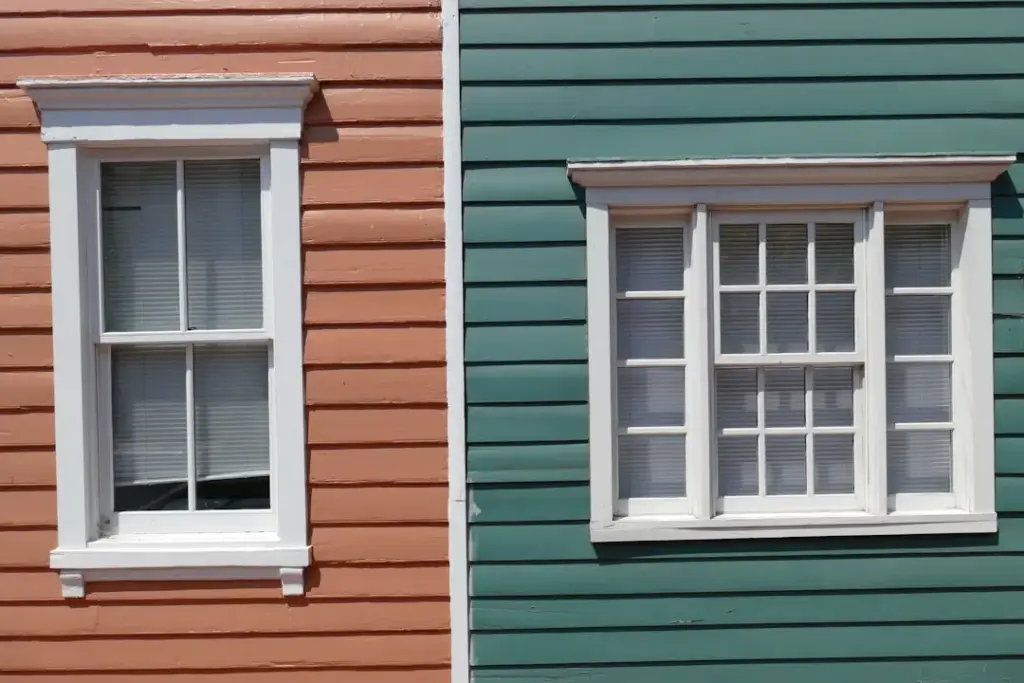
Overview: CertainTeed’s Monogram line is widely regarded as the premium choice in vinyl siding. It’s designed to mimic the look of real wood clapboard with deeper shadow lines and a rich matte finish.
Features: UV-resistant color technology, wind resistance up to 180 mph, and a lifetime limited warranty. It also has a rigid foam insulation option that improves energy efficiency. The panels are thicker than standard vinyl (0.046 inch vs typical 0.040 inch), which reduces warping.
Table of Contents
- Quick Comparison: Vinyl vs Fiber Cement Siding
- Top Siding Options for Your Home
- 1. CertainTeed Monogram Vinyl Siding – Best Overall Vinyl
- 2. James Hardie Fiber Cement Siding – Best Overall Fiber Cement
- 3. Georgia-Pacific Vinyl Siding – Best Budget Vinyl
- 4. Allura Fiber Cement Siding – Best Premium Fiber Cement Value
- 5. Nichiha Fiber Cement Siding – Best for Modern Architectural Styles
- How to Choose Between Vinyl and Fiber Cement Siding
- What to Look For
- Important Features Explained
- Pricing Factors and Hidden Costs
- Tips for Choosing Wisely
- Frequently Asked Questions
- Which siding is more energy efficient: vinyl or fiber cement?
- Can vinyl siding look like wood?
- Does fiber cement siding need to be painted?
- How often does vinyl siding need to be replaced?
- Is fiber cement siding worth the extra cost?
- Which siding is more environmentally friendly?
- Can I install siding over existing brick?
- Final Summary: Which Siding Should You Choose?
Pricing: Installed cost ranges from $5 to $9 per square foot depending on region and complexity. Material cost alone is about $1.50–$2.50 per square foot.
Advantages:
- Excellent color retention – resists fading for decades
- Lifetime transferable warranty adds resale value
- Thicker panels feel more substantial and less “plasticky”
- Wide color palette including darker hues
Disadvantages:
- Higher upfront cost than economy vinyl
- Can still expand/contract in extreme temperature swings
- Not fire-resistant
Best For: Homeowners who want top-tier vinyl with wood-like aesthetics and a robust warranty. Ideal for areas with moderate to high wind loads.
User Experience: Contractors consistently rate Monogram as the easiest premium vinyl to install due to its precise locking system. Homeowners report satisfaction with the paint-like finish that stays bright after a decade.
Expert Opinion: This is the best vinyl option if you want the closest look to wood without the maintenance. Its thickness and warranty make it a sound long-term investment, though fiber cement still beats it in fire and impact resistance.
2. James Hardie Fiber Cement Siding – Best Overall Fiber Cement
Overview: James Hardie is the undisputed leader in fiber cement siding. Their HardiePlank lap siding is the most specified brand among architects and builders. It combines cement, sand, and cellulose fibers for extreme durability.
Features: ColorPlus technology fuses paint at the factory for a durable finish. It’s non-combustible, resists moisture, and withstands termites. Hardie offers three textures: smooth, wood grain, and stucco. The ColorPlus warranty covers peeling and chipping for 15 years.
Pricing: Installed cost averages $8–$13 per square foot. Material cost is $1.80–$3.50 per square foot depending on style and finish. Painting adds cost if not using ColorPlus.
Advantages:
- Superior fire resistance – non-combustible (Class A)
- Lasts 50+ years with proper maintenance
- Excellent against hail, wind, and rot
- Can be painted any color
Disadvantages:
- Heavy and brittle – must be installed with carbide-tipped blades
- Needs repainting every 10–15 years (unless ColorPlus)
- Professional installation required; labor costs are high
- Dust from cutting contains crystalline silica – safety concerns
Best For: Homes in wildfire-prone areas, coastal regions with high moisture, and anyone willing to invest in long-term durability. Also excellent for modern and farmhouse styles.
User Experience: Homeowners love the authentic wood texture and feel of solid construction. However, some complain about the need for occasional repainting, especially in harsh sun. Contractors appreciate its rigidity but warn about the difficulty of cutting.
Expert Opinion: Hardie remains the gold standard for fiber cement. If you have the budget and want a siding that can survive a fire, hurricane, or termite infestation, this is it. Just factor in the repainting cycle.
3. Georgia-Pacific Vinyl Siding – Best Budget Vinyl
Overview: Georgia-Pacific offers an affordable vinyl siding line that’s popular among value-conscious homeowners. It’s available in traditional lap and Dutch lap styles and is lighter than premium vinyl.
Features: Standard .040 gauge panels with a wood grain emboss. Available colors include whites, creams, and pastels. It has a simple locking mechanism and can be installed over most existing siding. A standard limited lifetime warranty covers fading and defects.
Pricing: Installed cost is typically $3–$5 per square foot – one of the lowest on the market. Material only costs around $0.80–$1.20 per square foot.
Advantages:
- Very low material cost
- Lightweight – easy to cut and install
- No painting required
- Resists insects and moisture
Disadvantages:
- Thinner panels – more prone to denting and warping
- Limited color options – darker shades may fade
- Lower insulation value without foam backing
- Warranty is not transferable
Best For: Renters, budget flips, or homeowners who plan to sell within 10 years. It’s also a good choice for small projects like sheds or garages.
User Experience: Most users find it adequate for the price but note that it feels cheap compared to fiber cement or premium vinyl. Some report the panels clicking loudly in the wind.
Expert Opinion: You get what you pay for. Georgia-Pacific vinyl is a functional, low-cost solution, but don’t expect it to add value or last beyond 25 years. If you have the budget, stepping up to a thicker vinyl or fiber cement pays off long term.
4. Allura Fiber Cement Siding – Best Premium Fiber Cement Value
Overview: Allura is a strong competitor to James Hardie, offering fiber cement siding with comparable durability at a slightly lower price. They manufacture in multiple US facilities, reducing shipping costs.
Features: Available in lap, panel, shake, and vertical styles. Allura uses a PermaColor factory finish that resists peeling and chipping. The substrate is tested for wind loads up to 150 mph. They also offer a thicker “Architectural” series with deeper shadow lines.
Pricing: Installed cost averages $7–$11 per square foot. Material cost is about $1.50–$2.80 per square foot – often 15–20% less than Hardie. Factory-finished options cost more but reduce future painting.
Advantages:
- Lower price than James Hardie while maintaining quality
- Excellent fire and impact resistance
- Wide range of styles and textures
- Good availability in the Southern and Midwestern US
Disadvantages:
- Warranty is 15 years vs Hardie’s 30-year on some products
- Some contractors are less familiar with installation details
- Repainting needed if not using factory finish
- Heavy material requires professional crew
Best For: Homeowners who want premium fiber cement performance but are on a tighter budget than Hardie. Also a great choice for new construction in regions with strong dealer networks.
User Experience: Positive reviews highlight the smooth texture and ease of painting. A few homeowners mention color mismatch between lots. Contractors find Allura slightly easier to cut than Hardie but still require diamond blades.
Expert Opinion: Allura is the smart alternative to James Hardie. The cost savings are real, and the performance is nearly identical. Just make sure a certified installer handles the job to avoid gaps or fastener issues.
5. Nichiha Fiber Cement Siding – Best for Modern Architectural Styles
Overview: Nichiha is a Japanese brand that specializes in innovative fiber cement products. Their line includes large-format panels, vertical planks, and unique textures like fiberstone, making them a favorite for contemporary homes.
Features: Nichiha panels are pre-finished with a ceramic coating for superior UV resistance. They offer a “rain screen” design that allows air circulation behind the siding, reducing moisture buildup. The panels are lighter than traditional fiber cement because they use aramid fibers.
Pricing: Installed cost is $9–$14 per square foot – often the most expensive fiber cement option. Material cost is $2.50–$4.00 per square foot depending on finish. Large-format panels reduce labor time but require specialized cutting tools.
Advantages:
- Unique aesthetic – wide joint lines and smooth surfaces
- Superior moisture management with rain screen capability
- Lighter than Hardie/Allura – less strain on framing
- Excellent fade resistance due to ceramic coating
Disadvantages:
- High material cost limits budget appeal
- Limited availability – not stocked by all lumberyards
- Requires strict adherence to installation instructions
- Repairing damaged panels can be difficult due to larger sizes
Best For: Modern, mid-century, and contemporary homes where aesthetics are paramount. Also great for homes in humid climates because of the rain screen feature.
User Experience: Enthusiastic feedback from design-focused homeowners. Some note that the large panels create a sleek, seamless look. However, finding a contractor experienced with Nichiha can be a challenge.
Expert Opinion: Nichiha is not for everyone. It costs more and requires a specialist installer. But if you want a truly modern facade with outstanding moisture control, it’s worth the investment. For most people, Hardie or Allura still offer better value.
How to Choose Between Vinyl and Fiber Cement Siding
Now that you know the top products, let’s look at the factors that really matter when deciding between these two materials.
What to Look For
Climate and Environment: If you live in an area with wildfires, choose fiber cement for its fire rating. In coastal regions, both work, but fiber cement handles salt air better. Vinyl is best in moderate climates where extreme heat isn’t an issue. Read also: Best Vinyl Siding Color for a Brick House: Expert Guide 2026 – color choices can affect heat absorption.
Budget and Timeframe: Vinyl is cheaper upfront and requires less maintenance over 10–20 years. Fiber cement costs more but can last over 50 years with occasional painting. If you plan to stay in your home long-term, fiber cement often wins on total cost of ownership. Read also: Cost to Replace Vinyl Siding on a 1500 sq ft House: 2026 Guide – this gives you a realistic baseline for vinyl replacement expenses.
Aesthetics and Resale Value: Fiber cement offers deeper textures and can be painted any color. Vinyl has improved but still lacks the same depth. However, premium vinyl like CertainTeed Monogram comes close at a lower price.
Important Features Explained
- Thickness/Gauge: Vinyl panels range from .040” (budget) to .046” (premium). Thicker panels resist warping better. Fiber cement thickness is typically 5/16” to 7/16”; thicker means more impact resistance.
- Warranty: Transferable warranties add resale value. James Hardie offers a 30-year non-prorated warranty on ColorPlus. CertainTeed Monogram has a lifetime transferable warranty.
- Installation Complexity: Vinyl can be a weekend DIY project for experienced homeowners. Fiber cement always requires a professional crew – the dust is hazardous, and improper fastening can cause cracking.
Pricing Factors and Hidden Costs
The obvious costs are material and labor. But don’t forget these hidden items: disposal of old siding, potential sheathing repairs, adding insulation, and painting primer for fiber cement if you choose an unfinished product. Vinyl often includes foam backing as an add-on that improves insulation. Read also: Cleaning Vinyl Siding Without a Pressure Washer: 5 Methods That Work – maintenance costs are lower for vinyl, but you should know how to clean it safely.
Also factor in regional labor rates. Fiber cement installation can be 50–100% more expensive than vinyl because of the tools, safety gear, and skill required.
Tips for Choosing Wisely
- Get at least three quotes from contractors experienced with both materials. Ask for references from jobs done two years ago.
- Check your HOA rules – some neighborhoods restrict certain materials or require specific colors.
- Consider future plans – if you’re selling in 5 years, vinyl gives the best return on investment. If staying for 20+, fiber cement pays off.
- Order a sample panel and place it against your home to see the color and texture in different light.
- Don’t skimp on the installation – even the best siding fails if improperly installed. Check for proper gaps, flashing, and nail placement.
Frequently Asked Questions
Which siding is more energy efficient: vinyl or fiber cement?
Vinyl siding with foam insulation backing can add R-2 to R-4 value. Fiber cement itself has no insulating properties. However, fiber cement homes often use a separate insulation layer (house wrap + rigid foam) that can achieve higher R-values. Overall, a well-insulated home with fiber cement can outperform vinyl, but vinyl is easier to boost with integrated foam.
Can vinyl siding look like wood?
Yes, premium vinyl siding like CertainTeed Monogram or Royal’s Woodlake product line have deep embossing and matte finishes that closely resemble real wood. They are not as convincing as fiber cement’s wood grain texture, but from 10 feet away most people cannot tell the difference. For purists, fiber cement still wins the look-alike contest.
Does fiber cement siding need to be painted?
If you buy factory-finished products (like James Hardie ColorPlus), they come pre-painted with a durable coating that lasts 15+ years. Unfinished fiber cement must be primed and painted within 90 days of installation. Even factory finishes may require repainting after 15–20 years depending on sun exposure. Vinyl never needs painting.
How often does vinyl siding need to be replaced?
With proper care, standard vinyl lasts 20–30 years. Premium vinyl can last 30–40 years. Replacement is usually needed due to fading, cracking, or physical damage. If you see warping or buckling, it’s often caused by improper installation or extreme heat rather than age. Read also: Best Vinyl Siding Nail Gun for Pro Installers (2026 Picks) – nail gun technique affects longevity.
Is fiber cement siding worth the extra cost?
For many homeowners, yes. Fiber cement offers fire resistance, durability against insects, and a lifespan of 50+ years. It also adds resale value because buyers perceive it as premium. However, if your budget is tight or you live in a mild climate with low fire risk, vinyl may be the better practical choice. Calculate your 30-year total cost including repainting.
Which siding is more environmentally friendly?
Fiber cement has a lower carbon footprint in production because it uses natural cement, sand, and wood fibers. Vinyl (PVC) production releases toxins, but some vinyl products are now made with recycled content and are recyclable at end of life. Fiber cement is heavier, so transportation emissions are higher. Overall, fiber cement is considered more eco-friendly, but not by a huge margin.
Can I install siding over existing brick?
Yes, both vinyl and fiber cement can be installed over brick using furring strips to create an air gap. This is common in retrofits. However, you need to assess the condition of the brick and ensure proper moisture management. Vinyl is usually easier for this because it’s lighter and doesn’t require heavy fastening into brick. Read also: Best Vinyl Siding Color for a Brick House: 2026 Guide – color selection is especially important when pairing with brick.
If you are considering other home upgrades while replacing siding, you might also want to review electrical costs: Electrician Cost to Rewire a 3 Bedroom House: 2026 Complete Guide and Average Cost to Install a Subpanel in Garage: 2026 Guide.
Final Summary: Which Siding Should You Choose?
After comparing the difference between vinyl siding and fiber cement siding across cost, durability, maintenance, and appearance, here are our top picks:
- Best Overall: James Hardie Fiber Cement – unbeatable fire resistance, longevity, and resale value. Best for any homeowner with a long-term perspective.
- Best Value: Allura Fiber Cement – near-Hardie quality at a lower price. Perfect for budget-conscious buyers who still want premium durability.
- Best Premium Vinyl Alternative: CertainTeed Monogram Vinyl – the closest you can get to wood without the wood price or maintenance. Best for moderate climates and DIY enthusiasts.
- Best Budget Choice: Georgia-Pacific Vinyl – lowest upfront cost with decent performance. Best for rentals, short-term ownership, or secondary buildings.
- Best for Modern Architecture: Nichiha Fiber Cement – sleek panels and superior moisture control. Best for contemporary homes where design is a priority.
No matter which material you lean toward, invest time in finding a qualified installer and choosing a color that complements your home. The right siding will protect your home and increase its curb appeal for decades. Now that you understand the trade-offs between vinyl and fiber cement, you’re ready to make a confident choice.
—
Note: Prices reflect 2026 market estimates and may vary by region. Always obtain local quotes for accurate budgeting.
